“Balancing Act: Adopting and Restraining for Optimal Body Wellness”

– World Health Organization


Achieving optimal body wellness is a multifaceted journey that involves both embracing positive habits and recognizing the need for restraint in certain aspects of our lifestyles. Optimal body wellness contributes to overall health, boosting energy, improving mood, and enhancing longevity. It fosters better immune function, reduces the risk of chronic diseases, and promotes a balanced lifestyle. Prioritizing wellness helps in managing stress, improving sleep, and achieving physical and mental balance. In this blog, we’ll explore key factors to adopt and restrain from a holistic approach to body wellness.

A FOR ADOPTING.

1. Nutrient-Rich Eating:
As Kenyans, we tend to procrastinate even in matters that concern our stomach, aah nitakula baadaye. Prioritize having a balanced diet rich in fruits, vegetables, lean proteins, and whole grains with a followed daily time routine. But why?
Eating a nutrient- rich diet provides essential nutrients, supports energy levels, and contributes to overall health.
You know the experience of the 10 mins before grabbing your lunch.

2. Regular Physical Activity:
Time to wear your exercise shoes!
“ All work without play makes Jack a dull boy” . The “Jack” cannot fathom the word age in his vocabulary. Irrespective of your age, doing some 10-15 minutes of exercises is as important as taking a shower. Incorporate a mix of cardiovascular exercises, strength training, and flexibility routines into your weekly schedule. I would recommend having Google Fit app on your phone and it will walk with you in this journey. Physical activity boosts cardiovascular health, strengthens muscles, and improves mental well-being.

3. Adequate Hydration:
Take a glass of water and flush down your body while reading this!
Drink enough water throughout the day to stay properly hydrated. Recommended daily water intake is 1-2 litres of water depending on your diet. Water supports digestion, regulates body temperature, and enhances skin health.
Go get that smooth glow skin pal.


4. Quality Sleep:
I have a friend who likes sleeping even at a split second of free time and am like unapenda kulala sana kama mtoto.
Yeah, take that sleep seriously as a baby. And how do you optimize it? Establish a consistent sleep schedule and prioritize quality sleep. Don’t go to bed with your phone unless you want to transnight on TikTok videos. Sleep facilitates recovery, boosts cognitive function, and supports overall well-being.


5. Stress Management Techniques.
According to research, Around 20% of the world’s children and adolescents have a mental health condition, with suicide, the second leading cause of death among 15-29-year-olds. Approximately one in five people in post-conflict settings have a mental health condition. How can you secure yourself in the 80% of the world population?
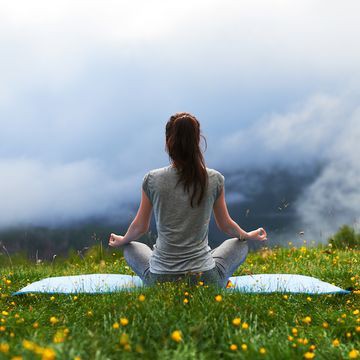
Integrate stress-relief practices such as meditation, deep breathing, or mindfulness.
Meditation reduces the negative impact of stress on mental and physical health.
Holla at me if you would like some yoga sessions>

R FOR RESTRAIN PLEASEE!
1. Excessive Sugar and Processed Foods:
Limit intake of sugary snacks and heavily processed foods. These foods can lead to weight gain, increase the risk of chronic conditions like diabetes and heart disease, and negatively impact energy levels.

I know we love fast food even the thought of feasting on some chips is killing me but be gentle with your plate.

Enjoy fast food in moderation and try to make healthier choices when possible. Opt for grilled options, choose water over sugary drinks, and include some vegetables in your meal. Balance is key to maintaining a healthy diet.


2. Sedentary Lifestyle:
Sometimes we feel sitting on our couch having some quality screen time or sleeping; consider some of the hazard dangers you can experience. Minimize prolonged periods of sitting; incorporate movement throughout the day.
It helps combat the negative effects of a sedentary lifestyle, promotes circulation, and supports joint health.
You remember the enjoyment of being sent to the shop when you were young by our parents.

3. Overtraining:
As they say, too much of something is poison to your body. Avoid excessive exercise without adequate rest and recovery.This prevents burnout, reduces the risk of injuries, and allows the body to heal.
After your 30 minutes of workout, take a cold shower and you will thank me later.

4. Inconsistent Sleep Patterns:


Sometimes we are held up with work or studies or even watching something and tend to extend with the notion that I need to finish this.
Limit irregular sleep patterns and prioritize a consistent sleep schedule. This layout supports the body’s circadian rhythm, improves sleep quality, and enhances overall health.
I usually have a sleep timer just to make sure I am in Dreamland in time. For this, you can copy me

5. Unhealthy Coping Mechanisms:
Avoid using substances like alcohol or tobacco as coping mechanisms for stress. A few minutes in the fantasy world is doing more damage in your reality world. Healthy coping mechanism promotes mental clarity, emotional well-being, and reduce the risk of addiction.
My friend, visit a psychiatrist or book consultation services if you need help.

Conclusion:
Achieving optimal body wellness involves a delicate balance between adopting positive habits and restraining from harmful practices. By nurturing your body with nutritious foods, regular exercise, and healthy lifestyle choices, while restraining from harmful habits, you can pave the way for a more vibrant and fulfilling life. Remember, small, sustainable changes can lead to significant improvements over time

“Natural Healing at Home: DIY Remedies for Cold and Headache.


I was watching my evening health show on Inooro T.V as one of the audience tossed a question to the panel asking how he can manage his cold which he has once every week because of the work he does. With the rest of the audience nodding their heads perplexed, it was evident that this was a common ailment roaming in most households. Looking back at how I control my cold before visiting a doctor, I sighed with gratitude as I had first hand knowledge from my late grandma on home made remedies on common illnesses. What is knowledge if you cannot share it. On this blog, I will highlight some remedies that should be on your fingertips before spending that extra coin in the hospital.


HAVING A RUNNY NOSE?

Funny how there is no cure for a cold, but there are as many effective preventive measures ( remedies) for it.

What is a runny nose?
What causes a runny nose?
I’m sure you’re having these questions running around.
‘running’ nose is a fluid from your nostrils that never stops running. Its a thin layer of mucous, sometimes a thick yellowish – greenish heavy substance that drips from your nostrils, mostly caused by cold, dry air which keeps the nasal lining dry.
It may be caused due to various factors, such as:
– Temperature changes; dry air etc
– Allergies ( dust, fever, animals)
– Exercise ( fatigue)
– Infections ( flu, Coronavirus, common cold)
– Acute sinusitis (sinuses)
– Hormonal changes

You name it..

First things first, buckle up for this greatness.
Drink up some water as you read this.


HOME REMEDIES FOR A RUNNY NOSE/ A COLD

1.Make yourself a hot drink
Have a stove? And some tea leaves or tea bag or coffee?
That’s a good start.
Herbal teas such as chamomile, ginger, mint and other immunity boosting beverages is a great beginner move. Healthy drinks such us, hot water with some fresh cut lemon, grounds of ginger and some honey acts as a wellness shot.
Hot tea act as an opener for airways. Having this every morning is advisable. For that sore throat and other pains to be cut out.

2. Drink up!
Drink for hydration. Drink as much water and fluids that aim to hydrate your body.
Why? Apparently it thins up mucus from your sinuses and helps with its running.
Water decongests the nasal glands, freeing you from any blockages. But avoid dehydrated drinks such as alcohol, coffee or any caffeinated sodas.

3. Inhale steam.
Steam makes a you feel a bit better, remember, there’s no cure for a cold.
Fill up a bowl with hot water or some basin and cover yourself with it using a towel.
You can spice it up by adding drops of decongestant oils such as Olbas oil, eucalyptus, tea tree, mint, peppermint, rosemary you name it. Also, you can use a tinch of rob or Vicks Vapo rub or menthol plus, whatever suits you!
After, you can blow out your nose since your airways have opened up a little bit.
Do this 2-3 times a day if you still have symptoms.


4.Warm compress
Warm compress, how can I stress this.
Doesn’t it feel good, when you have some warm water squeezed in a washcloth and having it placed on your forehead?
Now this time you can also put it on your nose or thr area around it.
It soothes sinus pressure by boosting blood circulation in those areas.
On the nose, it also creates moisture, which helps with the stuffiness by adding moist in the air that you breathe.

5. Eating quality Food.
Adding foods such as eggs, nuts, salmon (una, my favourite), dark leafy greens ( sukuma, mrenda, mkunde and the likes) will boost your immune system.Having fruits and making delicious smoothies in your diet, will surely bring back your energy.
Add those berries and that top that cherry in it.

6. Take a rest
Take an off day for that body. Or how the ‘wazungus’ say, take a chill pill for goodness sake. Your body needs time to rejuvenate in order to function better.
You got this! Don’t forget about your water, sleep, food and hot shower

What about sore throat?
Gargle warm salt water to soothe the pain.
Salt water also helps reduce severity of an infection, the cold and flu etc.

WHAT ABOUT A HEADACHE?
Headaches are caused by numerous factors, from lack of enough sleep to nutrient deficiency, dehydration, alcohol, overdose, underlying sickness, genetics etc.


NATURAL HOME REMEDIES FOR HEADACHES.

Drink Water
I’ll always emphasize, take your water, plenty of it. Dehydration is the most common case for a headache.
How to hydrate? You know it.
Take plenty of fluids- water, juices and fruits.
Heard of watermelon?

Get some sleep.
Enough and quality sleep.
Researchers say, 7-9 hours of sleep is essential. Sleep gets your body to recover and boosts your mental and physical wellbeing. Insomnia and other sleep disorders increase your chances of getting a headache.
And what will boost your sleep?

-having a disciplined sleep routine.
-Spend your day time outside, for the sun. ( Sun exposure helps in maintaining a regular circadian rhythm )
-Avoid electronics before bed time, make sure to sleep in a dark room
-Exercise
-Don’t eat too heavy before bed/ evening
-Avoid alcoholic and caffeinated drinks before bed.

Make yourself a cold compress
Take a washcloth, put some ice cold water in it and squeeze, place it on your head.
Greatness tupu!
You can also have a bag of ice or a wash cloth filled with one.Other areas like the neck is also advisable, to put on your washcloth. A cold compress slows down nerve conduction and opens up blood vessels which help toning down the headache.

Watch your diet
Try and see whats inducing your headache. It might be something you are consuming. From foods to drinks, mostly caffeinated ones for example, old cheese, coffee, alcohol, citrus fruits.These might trigger migraines.Take up some tea and coffee. Some amount of caffeine may help with soothing headaches.
Caffeine is known for increasing mood, alertness,constricting blood vessels , which help in reducing headaches.

Acupuncture and aroma therapy.
This will need you to get out of the house or have a profession help you with it inside.

Acupuncture is a form of medicinal technique, from the Chinese, where needles are inserted in specific parts of the body.
This practice is believed to work effectively on migraines.

You can try it!

Nonetheless, Aroma therapy!
This is where we use essential oils for its great benefits.

This therapeutic practice is used to improve mood, relieve pain and bring relaxation to the body, also, reduce insomnia.Essential oils such as eucalyptus, lemon, peppermint, lavender bring immense improvement to headaches. You can put some on your wrists or temples, so that it can diffuse and help with the headaches.

Meditation
Yoga is one way to do it.
It helps with any tension in the body, reduces stress and improves your overall well-being. Yoga is known to reduce tension in headaches. Nature walk can be as important as doing a yoga. Relieving stress can be the start to kill that migraine.


Take on some wellness shots incorporating ginger.
Ginger consists of antioxidants and anti-inflammatory substances which are beneficial to reducing pain, such as migraines.

Take up some supplements and vitamins
Coenzyme Q10, a substance produced by the body which produces energy and acts as an antioxidant. Many researches show that CoQ10 helps reduce migraine frequency and duration. Others are; magnesium supplements, B vitamins e.g folate, B 12 etc.


Conclusion.
From highlighting remedies on cold and headache, I do also want to cleanse my hands like Pontius Pilate. Take into consideration the above remedies and please consult your physician if the symptoms persist. As a map is important to a traveler, may this blog be important in your life. Wishing you and your family a healthy life.


With love, Grandma.


Unlocking Your Fitness Potential: A Guide to Different Types of Body Exercises”

Back to our early childhood, we were raised in a play -hood environment where we and the soil had an irreplaceable connection from playing marbles to playing ‘cha baba and cha mama’ building us in a healthy body growth. Along the way, we developed different lifestyles that fail to sustain our body fitness. Having different exercises in our day to day activities may substitute our childhood memories of playing with our friends. Embarking on a fitness journey involves discovering the right exercises that align with your goals and preferences. In this blog, we’ll explore various types of body exercises that cater to different fitness needs.

1. Cardiovascular Exercises:
Cardiovascular exercises also known as aerobic or endurance exercise, is any form of activity that uses aerobic metabolism. That is, during the activity, oxygen is heavily involved in the cellular reactions that produce the energy necessary to sustain the activity. Cardio exercises elevate your heart rate, enhance stamina, and burn calories. Example of these exercises include running, cycling, swimming, and high-intensity interval training (HIIT) that include jumping ropes and burpees. Some of the benefits that tag along include improved heart health, increased endurance and calorie expenditure.

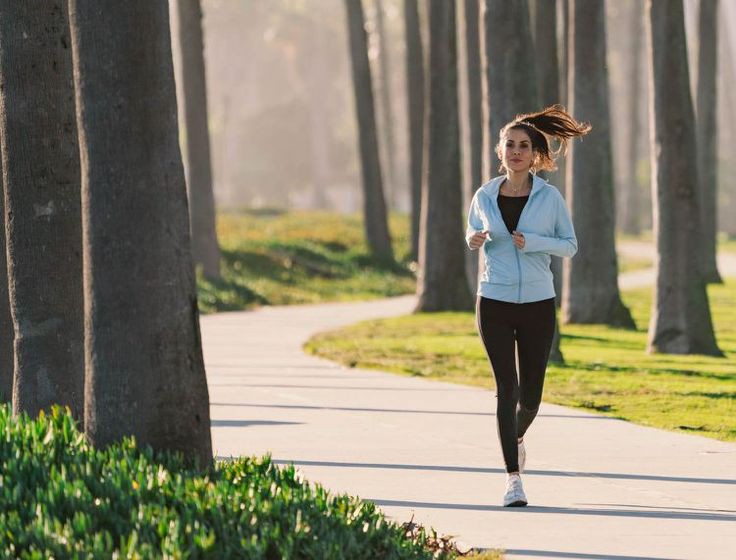
Running offers numerous benefits, including improved cardiovascular health, increased endurance, weight management, stress relief, and enhanced mood through the release of endorphins. PHOTO COURTESY/ PINTEREST.


2. Strength Training.
Once in a while I like to jump at the gym do some weight lifting then find myself at the gym mirror to take pics with hashtag #newme. Strength training focuses on building muscle strength through resistance exercises. These exercises include Weightlifting, bodyweight exercises (push-ups, squats), and resistance band workouts. Be sure to enjoy increased muscle mass, improved metabolism, and enhanced functional strength. Don’t go to the gym on an empty stomach unless you want to faint.

Strength training contribute to better posture, reduced risk of injury, and improved overall physical performance in daily activities. PHOTO COURTESY OF PINTEREST.

3. Flexibility and Stretching.
Flexibility and stretching exercises are one of a kind where you don’t need equipment to use. It enhances joint mobility and reduces the risk of injuries. Examples of such stretching exercises include Yoga, Pilates, static stretches, and dynamic stretching. Some of the benefits include improved flexibility, better posture, and reduced muscle stiffness.

4. Balance and Stability Exercise;
Sometimes we lose our balance while walking or doing something then abruptly someone asks are you drunk. Balance and Stability exercises targets core muscles and helps improve balance and coordination. These exercises include Bosu ball exercises, stability ball workouts, and single-leg exercises ( Leg lifts, bridge marching and heel toe walking). Some of the benefits include Enhanced stability, reduced risk of falls, and improved overall body control. Bring one of your friend and test who has a better body balance and ways to improve it.

These exercises help prevent falls, especially in older adults, by training the body to maintain equilibrium. They also contribute to increased joint stability, reduced injury risk, and improved overall functional fitness, making daily activities easier to perform. PHOTO COURTESY// PINTEREST


5. Functional Fitness:
Functional fitness training is a type of workout geared explicitly toward better function when performing everyday tasks. These tasks might include putting a heavy object on a high shelf, bending to pick up something off the floor, or walking up and down stairs. Thus mimics daily movements to improve everyday activities. Benefits include Improved coordination, increased muscle engagement, improving mindset and enhanced functional capacity.

6. Mind-Body Exercises:
Mind-body exercises (MBE) are sequences of low to medium-intensity activities that benefit healthy performers physically and mentally. It Combines physical movement with mental focus to promote holistic well-being. Some of these exercises include yoga, Tai Chi, Qi Gong, Stretching and mindful walking. Reduced stress, improved mental clarity, and a sense of overall well-being are some of the benefits you yearn from mind-body exercises.


Finding the right mix of exercises is key to a well-rounded fitness routine. Whether you’re aiming for cardiovascular health, strength building, or overall flexibility, incorporating a variety of exercises ensures a balanced approach to fitness. Listen to your body, stay consistent, and enjoy the journey to a healthier and more active lifestyle. Tag along your peer in the gym or an outdoor activity for some more fun while exercising. Have a fruitful week beautiful people.


Mental health; What is mental health, the signs and how to improve guide.

Mental health involves our emotional, psychological and social wellbeing.

Mental health refers to a person’s emotional, psychological, and social well-being. It involves the ability to manage stress, maintain healthy relationships, make decisions, and cope with life’s challenges. Good mental health contributes to overall well-being and allows individuals to realize their potential, work productively, and make meaningful contributions to their communities. Mental health can be influenced by biological factors, life experiences, and family history. We shall look at what affects our mental wellbeing, how can you know you have a poor mental health state and how can we improve it to achieve better mental health?

Signs of poor mental health wellbeing


1. Changes in behavior. One starts having shifts in their way of doing things for example eating and sleeping patterns, withdrawal from people and usual activities and experiencing mood swings that can affect how you relate with your peers or relationship. Insomnia and oversleeping is an indication of mental health concerns.

2. Physical symptoms. Experiencing frequent headaches, stomachaches, or unexplained aches and pains may be linked to mental health struggles. Consult with your doctor if the symptoms persist.

3. Emotional changes. Persistent feelings of sadness, anxiety, irritability, or hopelessness can be signs of underlying issues. Inability to control your emotions can be a sign of poor mental health.

A couple having an argument. FILE FOOTAGE/ PINTEREST.


4. Difficulty concentrating. Having trouble focusing in studies or in work, making poor decisions, or experiencing memory problems may indicate mental health challenges.

5. Social withdrawal. Avoiding friends, family, or usual activities and isolating oneself can be a red flag. Self isolation can lead to suicidal thoughts and harming oneself.

Someone having mental health concerns tend to pull away from people and usual activities. FILE FOOTAGE/ PINTEREST.


7. Substance use. Increased reliance on alcohol, drugs, or other substances may be a way of coping with mental health issues. Smoking cigarettes has been said to be a stress reliever influencing people to use it.

8. Inability to perform daily tasks. Feeling exhausted in your start of the day can be a sign you are experiencing distress affecting mental health.


Summary.
It’s important to note that everyone has ups and downs, but persistent or severe changes in behavior or mood may warrant seeking professional help. If you or someone you know is experiencing difficulties, consider reaching out to a mental health professional or a trusted individual for support.

How you can improve your mental health.

Improving mental health involves adopting positive habits and seeking support. Here are some general tips:

1. Regular Exercise. Physical activity can have positive effects on mood and reduce stress. Aiming for at least 30 minutes of exercise can be a key start of improving your mental health. Nature walks and jogging helps your mind relax and improve your mood. As they say all work without play makes Jack a dull boy.

Take 30 minutes of your time and do some exercises like jogging and strength training. FILE FOOTAGE/ PINTEREST.


2. Eating Healthy Diet. Eating a balanced diet with nutritious foods that support brain function. You should stay hydrated by drinking two litres of water every day and avoid excessive caffeine or alcohol intake. Food acts as fuel in the normal functioning of the body. Skipping meals and delayed eating patterns can affect your mind negatively.

3. Adequate Sleep. The recommended sleep time is 6- 8 hours. Ensure you get enough quality sleep. Establish a consistent sleep routine and create a comfortable sleep environment by ensuring your beddings are clean and avoiding your phone before sleep.

4. Stress Management. Practicing stress-reduction techniques such as mindfulness, deep breathing, or meditation to manage daily stressors. Reading a book once a week can be helpful as your mind is engaged.

Meditation is important for mental well-being, reducing stress, improving focus, and fostering a sense of inner calm. FILE FOOTAGE/ PINTEREST


5. Social Connections. Maintain supportive relationships with friends and family. Socializing improves your mood and sharing your thoughts and worries to them can help settle your stress. Social interaction is crucial for mental well-being.

6. Setting Realistic Goals. Break down tasks into manageable steps and celebrate small achievements. Avoid setting unrealistic expectations. This way you will motivate yourself to achieve the next challenge with less worries. It is important to share your ideas with your friends who can help you or advise you on how to manage it.

Small steps help achieve big milestones. Let these achievements carry you to the next challenge.


7. It is self care time. Prioritize self-care activities that bring you joy and relaxation. This could include hobbies, reading, or spending time in nature. Invite your friends in your favorite hobbies to experience extra joy.

8. Seeking Professional Help. If needed, don’t hesitate to reach out to a mental health professional. Therapy or counseling can provide valuable support and coping strategies. Walking out of drug addiction and suicidal thoughts can be achieved through taking counseling sessions.

SUMMARY
Remember that everyone’s journey to mental well-being is unique. It’s essential to find what works best for you and to be patient with the process. If you’re facing persistent challenges, consulting with a mental health professional can offer personalized guidance.

Health and Fitness check

Fitness is not about the weight you lose. It is about the life you gain

Tony Robbins.

One of the underrated aspects of life is appreciating body health in our day to day activities. Health is not about being perfect with food or exercise but it is about nourishing our spirit as well as our body wellbeing. In this blog, I will explain healthy habits we can adopt to improve our overall lifestyle and shaping our bodies to our own desires. A journey of a thousand miles start with a good shoe; this blog will give you the limelight in your weight gain/loss journey.

Adequate quality sleep.

Sleep plays a vital role in good health lifestyle as body enters a relaxing mode and enables one to wake up full of energy to kick start your day. Benefits of good sleep include lowering your risk for serious health problems like Diabetes and also reduce stress.


Quality sleep should be 7- 8 hours of undisturbed night time to enable your mind and body to rest. Sleeping more than 7 hours can also help with weight loss as part of your health journey. You should avoid going to sleep with your phone as one can go for hours scrolling through social media for example TikTok and Twitter.

Maintaining same sleep time ensures proper sleeping habit. One of the best ways is to set alarm or reminder at a given time to motivate you to sleep. With adequate sleep, it tags along with discipline in time factor. Most people tend to procrastinate sleep time with day time with the excuse ‘ tomorrow I have nothing to do’. Some of the side effects of poor sleep include wide range of deleterious health consequences including hypertension and lower sex drive.

Food check and hydration.


The journey of weight gain or weight loss begins in the kitchen and not physical exercises. Evaluating what’s in your plate is key to healthy lifestyle.

According to the World Health Organization, proper nutrition helps fight many diseases and illnesses which can save you money going to hospitals as prevention is better than cure. Eating healthy balanced food is associated with keeping your skin and teeth healthy and boosting immunity. As the saying goes An apple a day keeps the doctor away, it is worth advised to eat fruits and vegetables atleast each day.

It is advised that you should drink 8 glasses of water each day. The first thing you should do after waking up is drinking a glass of water as it nourishes your gut and jump starts your internal organs. Water also helps in the digestion of food and keeps you hydrated in your day to day activities. A hydrated body leaves your skin with an extra glow and also act as a coolant during your body exercises.

Eating junk food like burgers and chips should be minimised as it leads to weight gain which can result to obesity. Animal products like eggs and high fat dairy like yoghurt and cheese can help you gain weight as they are full of amino acids that help build muscles. Eating wholemeal food like brown bread is of more help to your body than non organic foods as they are full of fibre which helps in digestion. If you are on a weight loss journey, worry not as you can cut back on calories and alcohol ,drinking lemon water with honey and also practicing Intermittent fasting.Consuming seeds like carom seeds and black cumin seeds play part and parcel in ensuring you maintain a healthy body with low fat. In addition to your meals, ensure you consume them at the same time everyday so as to keep your body at normal basic metabolic rate.

Time for exercise!!

Exercise can be described as a physical workout geared to achieve results and keeping our body fit. Most people find it hard to exercise due to work and studies.

A 30 minute exercise everyday can do wonders for your body if you are on a weight loss journey. These workouts can involve aerobic, yoga, weight lifting and meditation. Home workouts can be easier as you don’t need gym equipments to exercise. Yoga exercises like candle pose and triangle pose improve blood flow and helps your heart pump more efficiently and achieving balance of your body. Finding time for nature walk is vital for your body and mind as it helps relieve stress and also lower weight circumference. Walking up and down hill increases the activation of the thigh and abs muscles.

Using dumbbells in your home workout routine .

During the weekends, make your gym sessions your one stop body check. With the help of your gym trainer, you can work on your arm, chest, abs and quad muscles to achieve your desired body shape. Remember, fitness is not about being better than someone else but it is about being better than you used to be.

Taking care of yourself.

Body hygiene and self meditation tags along with your health wellbeing. Taking cold shower after a long day helps cool your muscles and helps you feel rejuvenated. Cold shower is also associated with helping in weight loss. Brushing your teeth everyday helps fight tooth related diseases like tooth decay and gingivitis.

Adopting reading habits. Reading a book keeps your mind healthy and also helps boost your communication thus building your interaction with your peers. Mindfulness can be improved also by having walk time for some fresh air and also listening to your favourite music. Visiting massage parlours during weekends can also help relieve stress. Remember mental health is one of the important factors in one’s wellbeing. Talk to your friends about issues troubling you can help solve depression and avoiding suicidal thoughts.

Mental health is key to one’s wellbeing.

Conclusion.

We cannot control everything in our lives but we can control what we put on our body. Maintaining good healthy lifestyle ensures we stay fit in our day to day activities and also feel proud of our bodies. Remember, no matter how many mistakes you make or how slow you progress, you are still way ahead of everyone who is not trying.

Wishing you a healthy week ahead.

Create your own website, free on WordPress.com.Create your own website.
Start free